Time & The Art of Maori Storytelling
DOI:
https://doi.org/10.26686/jnzs.v8i1.339Abstract
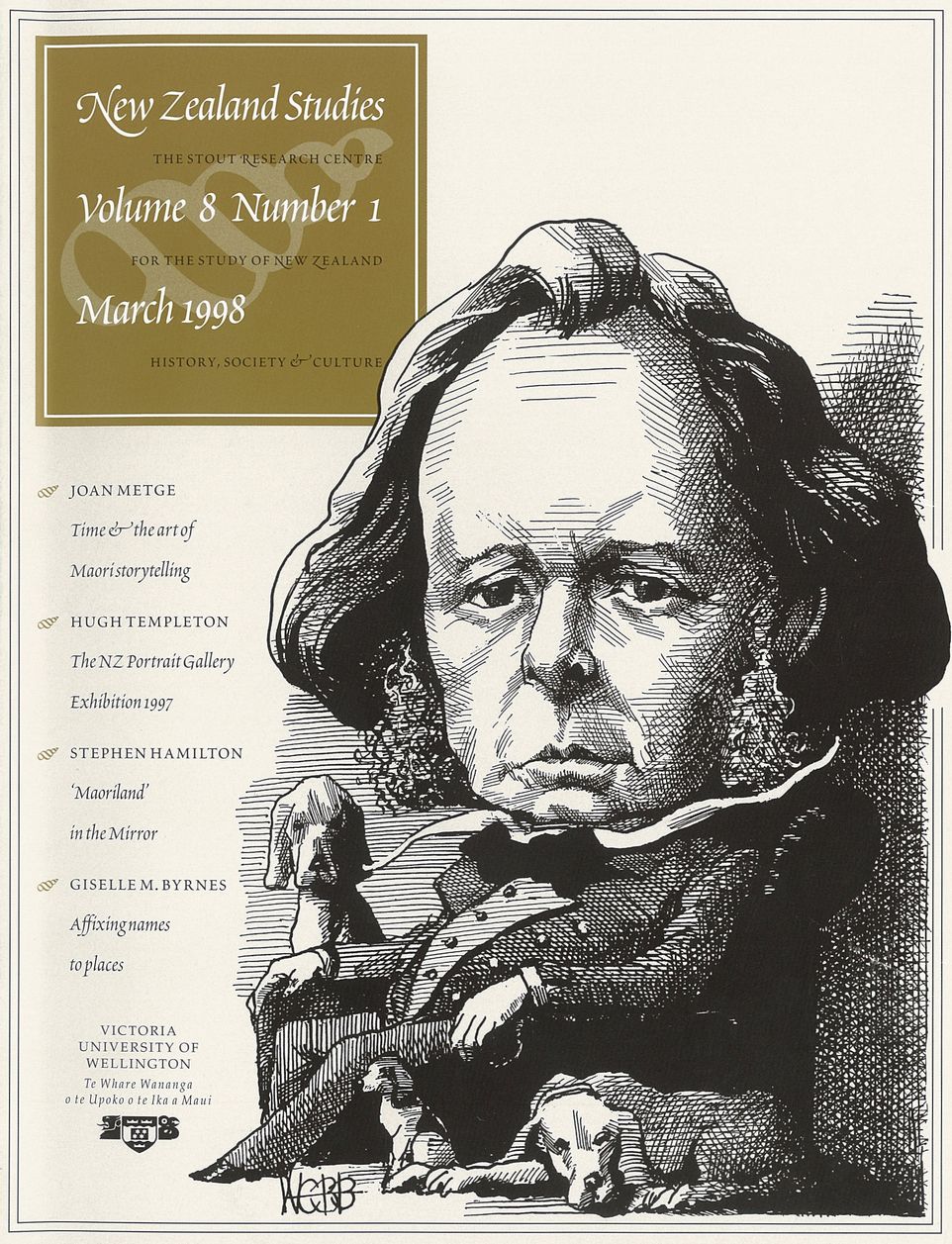
Among the best loved books of my youth were Vikings of the Sunrise and The Coming of the Maori by Peter Buck (Te Rangi Hiroa). Examining traditional accounts of the peopling of Aotearoa with critical perception, Te Rangi Hiroa noted 'inconsistencies' whereby' ancestors who lived at different periods of time are brought together to converse with each other'. Kupe, for example, gives sailing directions in the first person to Turi, who is many generations removed from him on the whakapapa. Where most scholars of the time interpreted these 'inconsistencies' as evidence that the Maori had no sense of history and the passage of time, Te Rangi Hiroa explained them as examples of a literary style which used the first person or oratio recta, even when ancestors belonged to different periods. The aim, he suggested, was to ensure the effective communication of information from generation to generation.
Downloads
Downloads
Published
Issue
Section
License
Authors who publish with this journal agree to the following terms:
The Journal of New Zealand Studies retains the copyright of material published in the journal, but permission to reproduce articles free of charge on other open access sites will not normally be withheld. Any such reproduction must be accompanied by an acknowledgement of initial publication in the Journal of New Zealand Studies.