
Fibrecraft in New Zealand: Some Social and Economic Aspects
DOI:
https://doi.org/10.26686/jnzs.v3i4.303Abstract
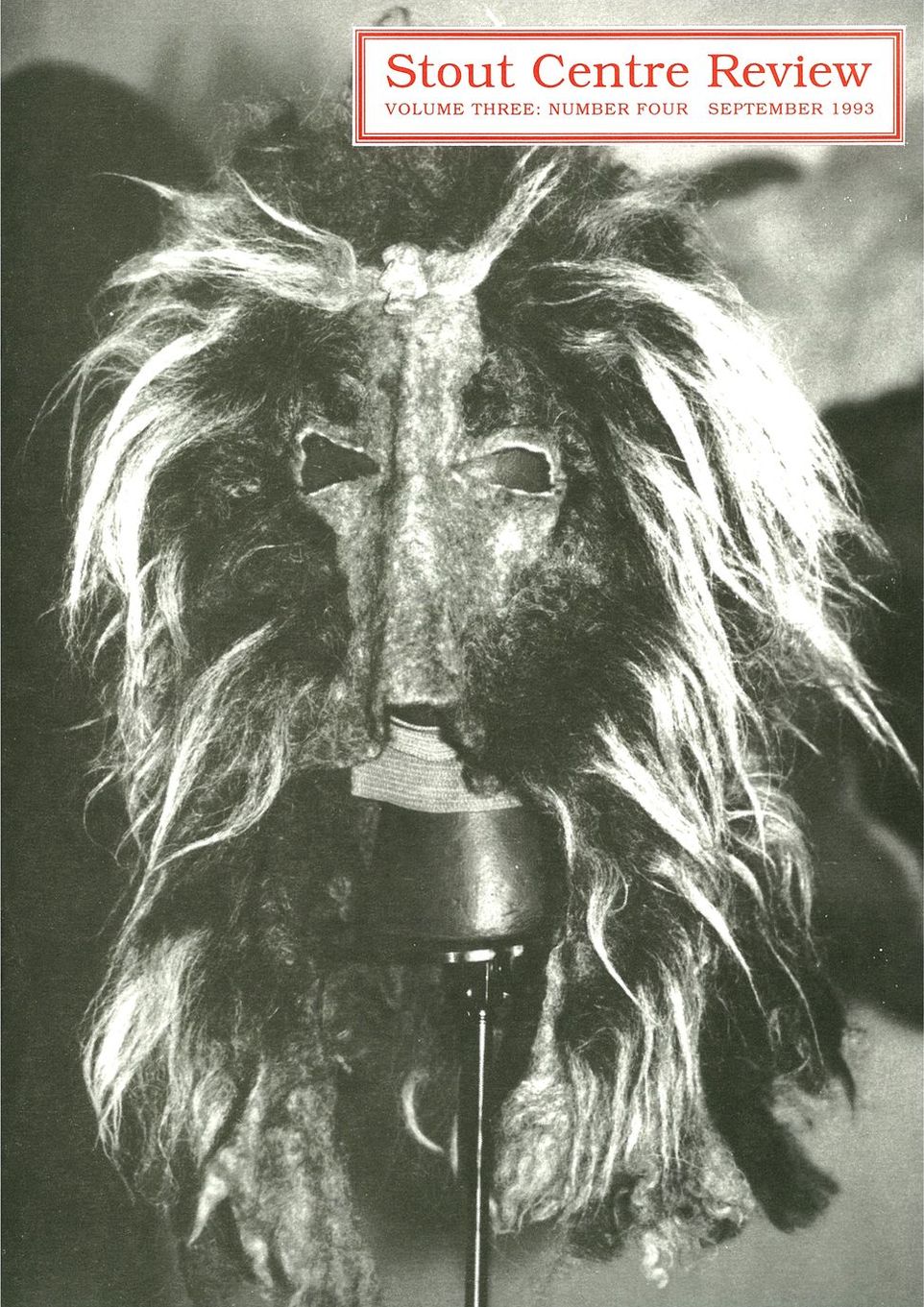
Fibrecraft is a broad term for the twisting or pounding of fibres into useful or decorative articles. It's as old as humanity - to gather whatever animal or vegetable materials are at hand to make clothing and armour, harness. food baskets, animal traps, shelters, and sailors' needs, and so forth. Decoration and originality follow. These help make endurable the tedious time this all takes, and they are the only way the craftsperson can claim to be more than a slave and a cipher. In New Zealand two main streams exist -the Maori one based on flax and the European one based on wool. Neither of them is any longer driven by necessity. The wool based one never was a necessity with us. Its late and untidy beginnings were due to the Industrial Revolution, which left the peasant skills to wither away. When they were reborn, it was as chosen tasks of middle-class leisure. I think the Scandinavians were the first to experience and articulate this formula.
Downloads
Downloads
Published
Issue
Section
License
Authors who publish with this journal agree to the following terms:
The Journal of New Zealand Studies retains the copyright of material published in the journal, but permission to reproduce articles free of charge on other open access sites will not normally be withheld. Any such reproduction must be accompanied by an acknowledgement of initial publication in the Journal of New Zealand Studies.