Techno-economic assessment of floating photovoltaic integration in cascaded hydropower reservoirs: A case study in Laos
DOI:
https://doi.org/10.26686/ases.v2.11243Keywords:
Floating photovoltaic, Cascaded hydropower, Coordinated dispatch, FPV–hydropower integration, Techno-economicsAbstract
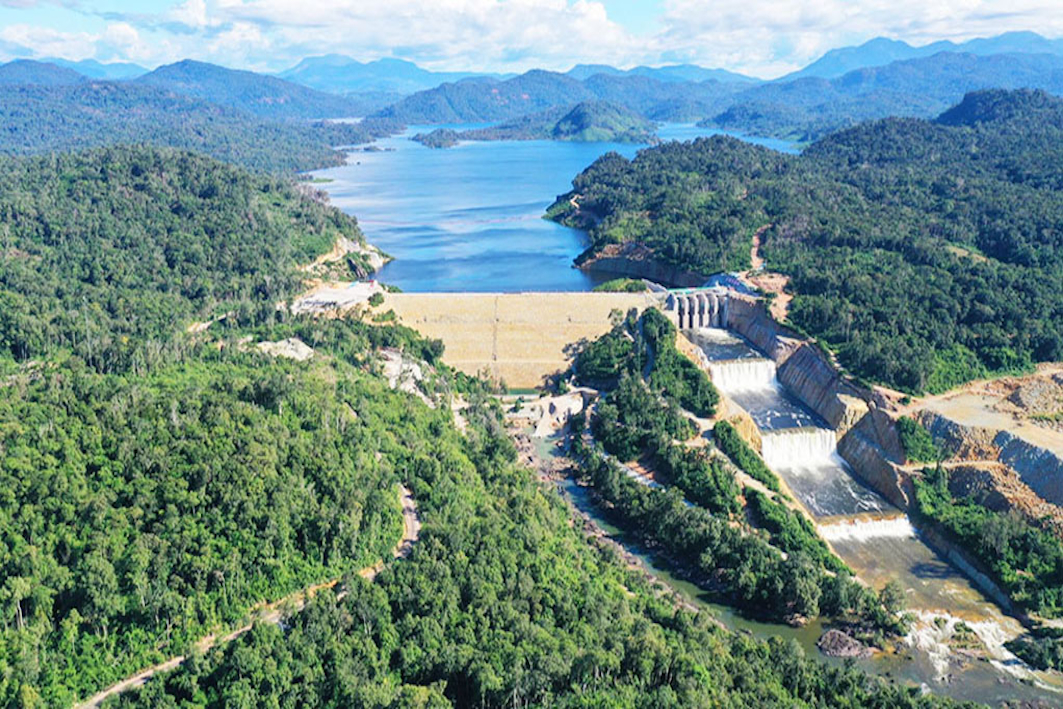
Floating photovoltaic (FPV) systems on hydropower reservoirs can improve the generation of renewable energy by avoiding land use and reducing reliance on hydropower. However, the majority of previous FPV–hydropower studies focus on stand-alone reservoirs rather than cascaded systems with inter-plant hydraulic and electrical interactions. The objective of this paper is to assess the technical and economic performance of coordinated FPV integration in the Nam Kong 2 (NK2)–Nam Kong 3 (NK3) cascade in southern Laos, and to identify practical deployment options that preserve energy export capacity and improve water management. Hourly FPV generation data was simulated with hourly hydro generation and daily reservoir storage with a coordinated dispatch model respecting plant-level limits, a shared export constraint, and cascade routing between the reservoirs. FPV layouts were tested against performance indicators such as export adequacy, solar utilisation, water saving, water spill, and economic viability. The results reveal that not all FPV configurations improve the cascade performance. Large upstream FPV deployment at NK3 increases curtailment and reduces downstream support to NK2, resulting in higher export deficits. In contrast, downstream-only or downstream-dominant FPV layouts maintain export adequacy more effectively and provide more meaningful cluster water savings. The results suggest that FPV placement within the cascade is more important than simply increasing total installed FPV capacity. The paper recommends grid-aware and cascade-aware FPV sizing, with emphasis on downstream deployment or really limited upstream deployment where maintaining release support is critical.Downloads
Download data is not yet available.
Downloads
Additional Files
Published
2026-09-02
How to Cite
Tongnamavong, S., & Brent, A. C. (2026). Techno-economic assessment of floating photovoltaic integration in cascaded hydropower reservoirs: A case study in Laos. Archives of Sustainable Energy Systems, 2. https://doi.org/10.26686/ases.v2.11243
Issue
Section
Articles
License
Copyright (c) 2026 Souasong Tongnamavong, Alan Colin Brent

This work is licensed under a Creative Commons Attribution 4.0 International License.
The articles in the journal are published under the terms of the Creative Commons Attribution 4.0 International License (CC BY 4.0), which permits use, sharing, adaptation, distribution, and reproduction in any medium or format, provided the original author(s) and source are properly cited.