Energy storage solutions to support the implementation of renewable electricity in Aotearoa New Zealand
DOI:
https://doi.org/10.26686/ases.v2.11205Keywords:
Energy storage, Renewable energy, Costs, New ZealandAbstract
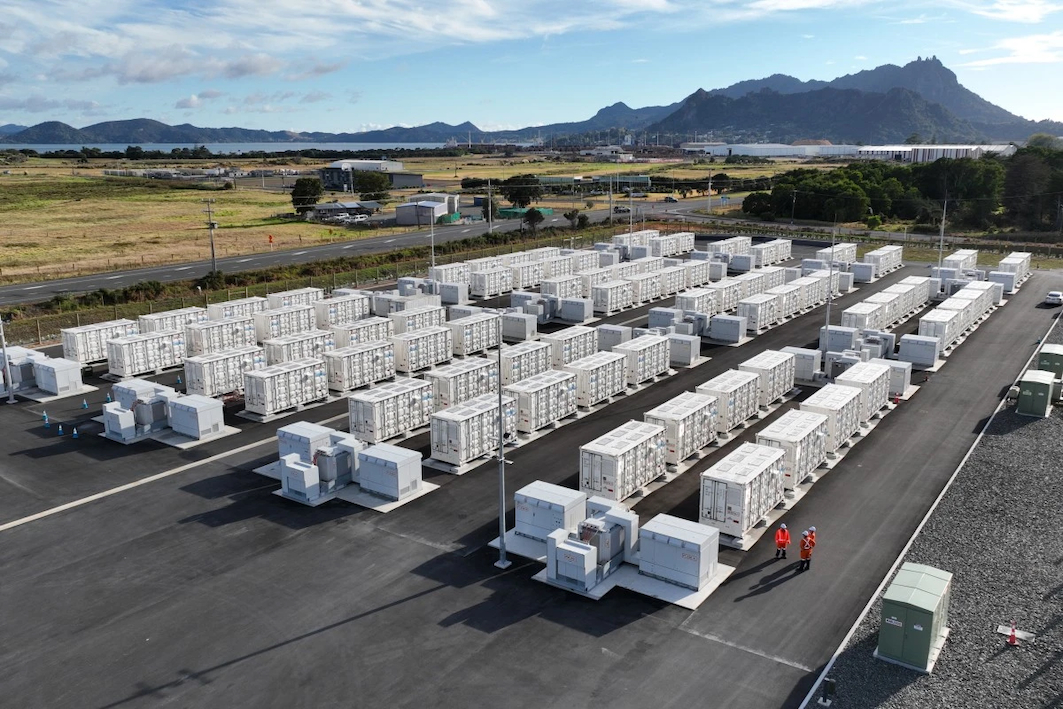
Aotearoa New Zealand targets a 100% renewable electricity grid built off a strong renewable energy supply. Renewable energy, as a non-dispatchable form of energy generation, requires supporting energy storage to work effectively as the sole energy supplier for the national grid. A primary long-term energy storage system is required for consistent high quantity supply with a complementary short-term system that can respond quicker for lower scale needs. The objective of this paper is to identify the most suitable energy storage configuration and provide the associated cost. A literature review of energy storage technologies identified flywheels and lithium-ion batteries as short-term solutions and pumped hydro, compressed air energy storage and thermal energy storage as long-term solutions, with hydrogen able to fill both roles. Through the modelling of renewable generation and grid demand, energy storage and power output requirements for each technology were identified with key properties of each technology quantified. Data from real-world energy storage projects were used to calculate expected initial cost of each technology. This data was combined to provide the levelized cost of storage for each investigated technology which, combined with real-world information, was used to provide the recommendation. While further avenues for research to refine the conclusion were identified, the ideal configuration found was lithium-ion batteries partnered with pumped hydro.
Downloads
Downloads
Additional Files
Published
How to Cite
Issue
Section
License
Copyright (c) 2026 Dominic Wilson, Alan Colin Brent

This work is licensed under a Creative Commons Attribution 4.0 International License.
The articles in the journal are published under the terms of the Creative Commons Attribution 4.0 International License (CC BY 4.0), which permits use, sharing, adaptation, distribution, and reproduction in any medium or format, provided the original author(s) and source are properly cited.